How to Choose a Countertop Fabricator in Round Rock, TX
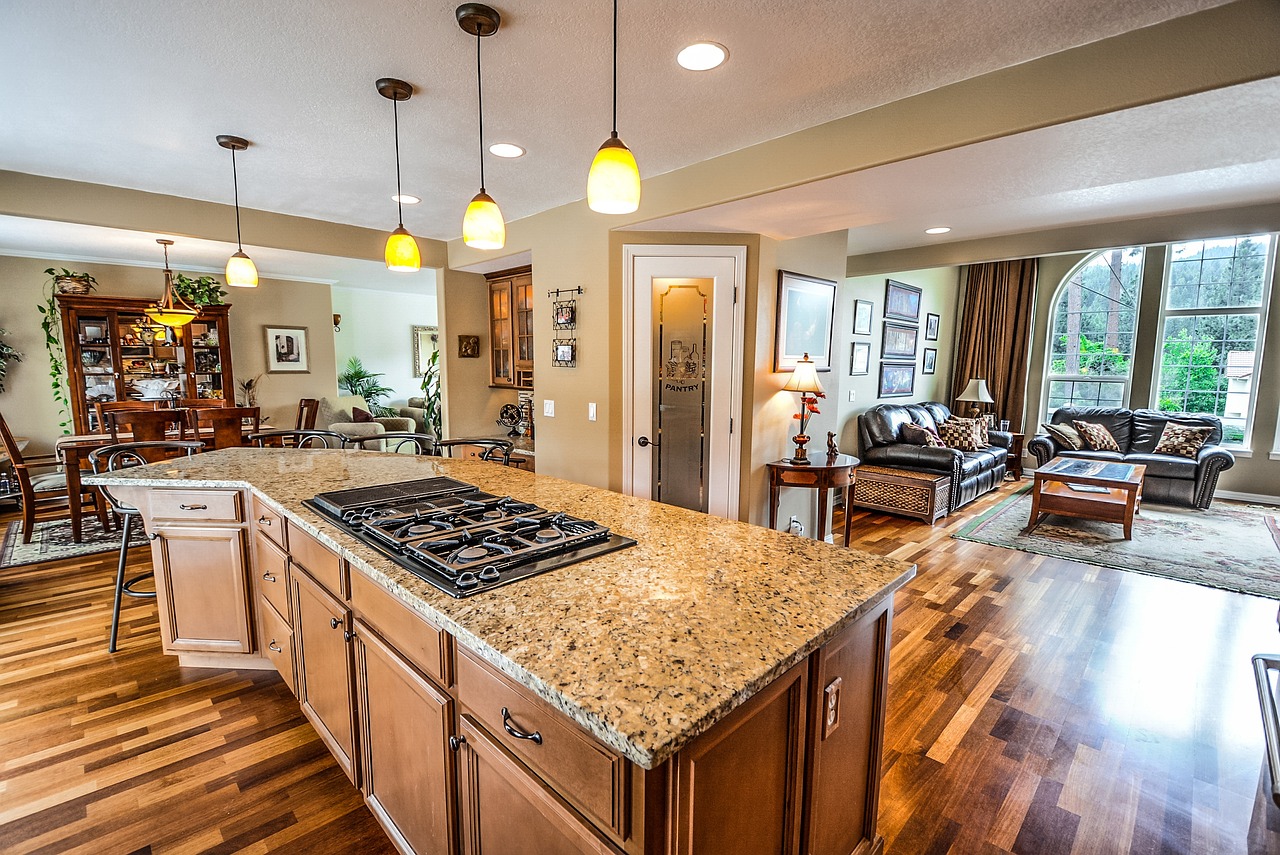
Choosing a countertop for a kitchen or bath in Round Rock is only half the decision. The other half, the half that determines whether the finished job looks seamless or shows every mistake, is the fabricator you hand the work to. In the Austin metro there are dozens of shops working out of Round Rock, Pflugerville, Cedar Park, and north Austin, and they range from full in-house fabrication operations with their own saws and CNC machines to sales showrooms that subcontract the cutting and installing to whoever is available that week. The stone or quartz you pick matters, but the shop measuring, cutting, and setting it matters more, because a poor template or a rushed install will make even premium material look cheap.
This guide walks through how to evaluate a countertop fabricator in the Round Rock area and what actually happens from the first measurement to the final caulk bead, so you know what you are paying for and can tell a careful shop from a careless one.
In-house fabrication versus a reseller
The first thing to establish is whether the company you are talking to fabricates the material itself or acts as a middleman. A true fabricator owns the equipment, employs the installers, and controls the schedule. A reseller sells you the slab and the quote, then hands the physical work to a third-party crew. Neither model is automatically bad, but they carry different risks. When a shop fabricates in-house, one company is accountable for the template, the cut, and the set, and if a seam is wrong there is no finger pointing between the seller and the crew. When the work is subcontracted, the crew that shows up may have never spoken to the person who sold you the job, and details discussed in the showroom can get lost.
Ask directly: do you cut in your own shop, and are the installers your employees or a subcontracted crew? A confident fabricator answers plainly and will often invite you to see the shop. Around Round Rock, the shops with their own facilities usually keep remnant inventory on site, which also helps if you have a smaller bath vanity or a bar top that can be cut from an offcut rather than a full slab.
Measuring, not guessing, the space
Reputable fabricators do not price a real job off a hand-sketched drawing alone. They send someone to template the space, either with a laser measuring system or with physical story sticks, after the old counters are out and the base cabinets are level and secured. This matters in older Round Rock homes and in the newer subdivisions off University and Kenney Fort alike, because cabinet runs are rarely perfectly square and walls are rarely perfectly straight. A digital template captures the actual angles and the exact overhang so the finished top drops in without gaps against the wall.
If a company quotes a firm final price and promises to fabricate before anyone has templated the room, treat that as a warning. The pre-template number is an estimate. The template is where the real dimensions, the sink position, the faucet holes, and the seam locations get locked in, and it should happen after demolition, not before.
Material sourcing and slab selection
For natural stone like granite, marble, or quartzite, every slab is different, so being able to see and approve the actual slab going into your kitchen is a real advantage. Better Round Rock fabricators either keep slabs in a local yard or will arrange a viewing at a distributor in the Austin area so you can tag the exact slab and, where it matters, decide how the veining runs across the island and the perimeter. Engineered quartz is more consistent batch to batch, but even there, lot numbers should match across all the pieces so the color does not shift between the counter and the backsplash.
A good fabricator will talk through where a seam has to go given the slab size, rather than pretending a large kitchen can be done with none. Slabs have finite dimensions, and a run longer than the slab simply requires a seam. The skill is in placing it well, which is a workmanship question covered later.
What the install actually involves
On install day the crew removes the templated tops if that was not done during demo, dry-fits the new pieces, and checks the fit against the walls and cabinets before anything is fastened. The pieces are then set into a bed of adhesive on the cabinet frames and shimmed until the surface is dead level, because a top that rocks or slopes will show at the sink and along the backsplash. Seams are joined with color-matched epoxy, clamped, and tooled flush while the adhesive is still workable.
Undermount sinks are attached from below with clips and adhesive, and the cutout edge is polished so it does not catch a sponge. Cooktop and faucet openings are confirmed against the actual fixtures, not just the spec sheet, since a drop-in cooktop that is a quarter inch too tight becomes a problem only when the appliance arrives. The last steps are sealing the perimeter and any backsplash joint with a neat silicone bead and, for natural stone, applying an impregnating sealer. A typical single-kitchen install in the Round Rock area runs a few hours to most of a day depending on the number of pieces and whether a difficult old top has to come out first.
Deposits, disposal, and protecting the rest of the kitchen
How a fabricator handles the parts of the job around the stone tells you a lot about how it runs. Most Round Rock shops take a deposit at contract and the balance on completion; a reasonable deposit funds the slab, while a demand for the full amount up front is worth questioning. Clarify in writing what happens to your deposit if the slab you approved cracks during fabrication, which is the fabricator's risk to carry, not yours.
Removal and disposal of the old counters should be named in the quote, including whether the crew hauls the debris away or leaves it at the curb. Ask how they protect the cabinets, floors, and appliances during the swap, since cutting and carrying heavy stone through a finished kitchen creates dust and the chance of a dinged cabinet or a scratched floor. A shop that lays down floor protection and masks off adjacent rooms is one that has done this enough to respect the rest of your house, not just the countertop.
Timelines and what a fair Round Rock quote covers
From template to installation, most local shops need several business days to a couple of weeks. That window covers programming the cut, machining the edges, polishing, and curing, and it is not a sign of a slow shop; a same-day promise usually means the piece is being cut without careful templating. A complete quote should spell out the material and its thickness, the edge profile, the number and location of seams, the sink cutout and mounting, faucet and cooktop holes, removal and disposal of the old tops, and whether plumbing disconnect and reconnect is included or left to you.
Watch for quotes that leave those line items vague, because the gaps are where surprise charges live. Edge upgrades, an extra seam, or plumbing work added on install day can move a price meaningfully. A fabricator who itemizes clearly is easier to hold accountable, and in a market with as many options as the Austin metro, that clarity is worth as much as the price itself.
Putting it together
Picking a fabricator in Round Rock comes down to a few checks: confirm who actually cuts and installs the work, insist on a real template after demolition, get the slab or lot approved before fabrication, and read the quote closely enough to know exactly what is and is not included. A shop that welcomes those questions and answers them plainly is one that expects to do the job right. The material sets the look, but the fabricator sets the fit, and the fit is what you live with every day.